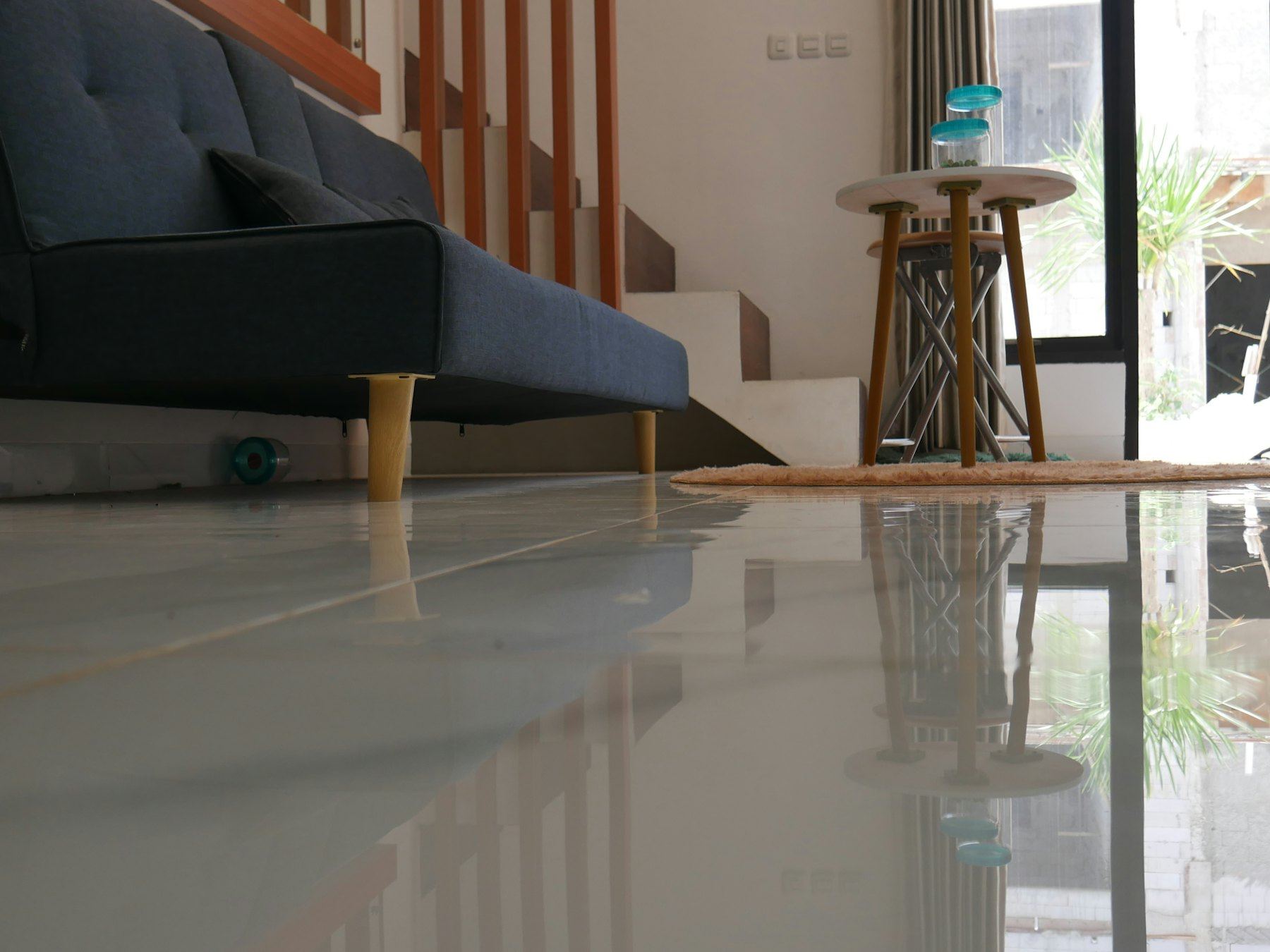
Warrington units
When you can walk on resin floor and when it is cured
Send the details of your unit and find out how long the shutdown needs to be. A specialist firm will look at the layout and give you a clear timeline without charging for the advice.
How long does an epoxy floor take to cure in Warrington
Foot traffic and the first hours after the pour
The question of when can you walk on a resin floor comes up on almost every job in Warrington. The answer depends on the product, the thickness of the coat and the temperature inside the unit.
A standard epoxy system laid at two or three millimetres usually takes between twelve and twenty-four hours before it can bear foot traffic. That is the point where boots leave no imprint. Epoxy floor drying time shortens in warm conditions and lengthens when the slab is cold. Specialist contractors working on warehouse floors across Warrington plan around this window because staff need safe access as soon as possible.
Thicker screeds take longer. A six-millimetre flow-applied resin might need thirty-six hours before anyone walks on it. The surface feels dry to the touch much earlier, but the material underneath is still soft. Walking on it too soon leaves permanent marks. For a typical industrial unit near Birchwood or Great Sankey, the contractor will specify exactly when the floor can take people. More detail on thickness choices is available on the resin floor thickness page.
Forklifts, pallet trucks and wheeled traffic
Knowing how long epoxy before forklift use is safe matters for any working depot. Foot traffic and wheeled traffic are completely different loads. A person walking distributes weight over two small points. A loaded pallet truck concentrates tonnes of force through hard nylon wheels.
Most epoxy systems need five to seven days before they can handle regular forklift movements. Light wheeled traffic, such as empty cage trolleys, might be permitted after three days, but the contractor decides that based on the specific resin used. Rushing this stage causes ruts and delamination, which means starting again.
Floor coating shutdown planning has to account for this gap. Units in Earlestown or Newton le Willows that cannot afford a week offline often split the work into zones. One half cures while the other operates. Warehouse floor painting in Warrington frequently follows this pattern so goods can keep moving. The logistics of phasing a job depend on aisle widths and racking layouts, which the specialist firm assesses before any resin goes down.
Chemical resistance and full cure
An epoxy floor looks finished long before it is. Industrial floor paint cure time to full chemical resistance typically runs between seven and fourteen days, sometimes longer in cold weather. Until that process completes, the floor remains vulnerable to solvents, oils and washdown chemicals. Spills during the early days can stain or soften the resin permanently. Food factories in Warrington that require daily chemical washdowns must wait for the full cure before resuming normal cleaning routines. How long before the floor can take spills and washdown chemicals depends on the specific resin system the specialist applies and the ambient conditions on site, so ask them for a written timeline rather than guessing from the surface feel. This timeline affects how a unit reopens. If the floor goes down on a Friday, it will not survive a Monday morning chemical spill. Facilities that handle acids, fuels or strong detergents need to factor the full cure into their schedules. The difference between a dry surface and a chemically resistant one catches many site managers out.
Temperature and the speed of the cure
Resin floor curing temperature dictates everything. Epoxy cures through a chemical reaction between the resin and the hardener. Heat accelerates that reaction; cold slows it down dramatically.
At fifteen degrees Celsius, a standard epoxy might reach foot traffic hardness in eighteen hours. Drop the ambient temperature to ten degrees and that same floor could take forty-eight hours. Below five degrees, many epoxies stop curing altogether. They remain tacky indefinitely until the temperature rises.
Units in Warrington with uninsulated roofs see slab temperatures fall sharply overnight between October and March. An overnight floor coating in Warrington during winter carries real risk if the building loses heat after the crew leaves. Specialist firms monitor both air and substrate temperatures continuously during application. They know that a concrete slab holds cold far longer than the air above it, so measuring only the room temperature gives a false picture. Cold store and chiller floors use entirely different chemistry formulated to set at sub-zero temperatures.
Weekend shutdowns and phased work
Many units in Warrington want the floor done over a weekend and the doors open by Monday morning. Whether that works depends on what happens on Monday. If the unit only sees light foot traffic, a fast-cure polyaspartic or methyl methacrylate resin can be ready in four to six hours. These products cost more but solve the shutdown problem.
Standard epoxy rarely fits a Friday-to-Monday window for anything beyond walking. Forklifts on Monday morning will damage it. Site managers planning a weekend job need to tell the specialist firm exactly what traffic returns on Monday so the right product gets specified.
Phasing the work is the alternative. The contractor divides the floor into sections, completing one zone per weekend. Staff and machinery move to the finished side while the fresh side cures. This approach keeps a depot running, though it doubles the number of mobilisations. Warehouse floor line marking usually happens last, once all sections have cured fully.
Signs the floor was used before it cured
Traffic on a resin floor before it has hardened leaves physical evidence. These marks appear in the first few days and do not fade as the cure finishes.
- 1
Boot prints in the surface
Shoe outlines pressed into the resin that stay visible after it hardens. This means someone walked on it while the material was still soft.
- 2
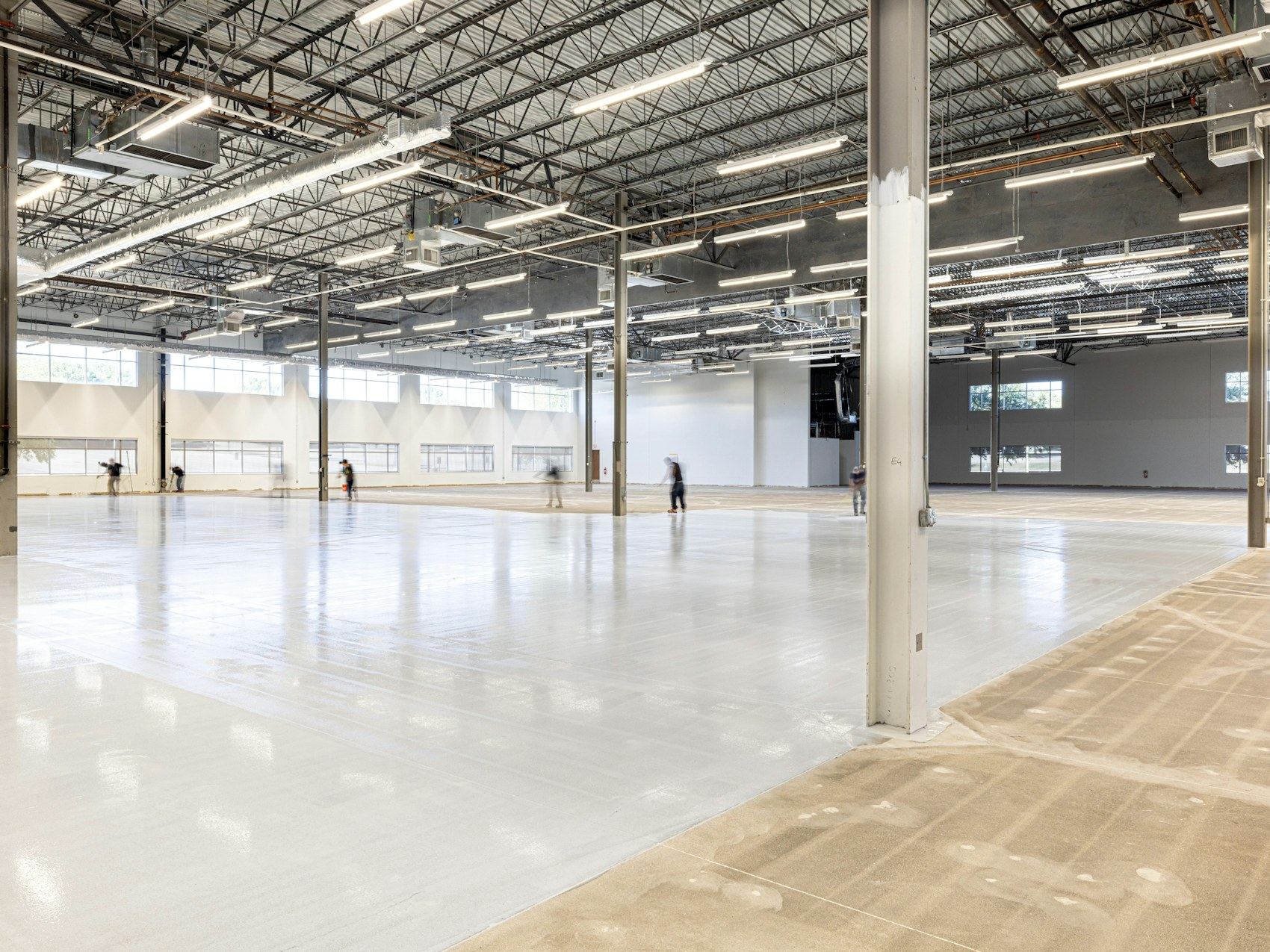
Wheel tracks from trolleys
Parallel grooves left by castors or pallet truck wheels. They show the load exceeded what the partially cured coating could support.
- 3
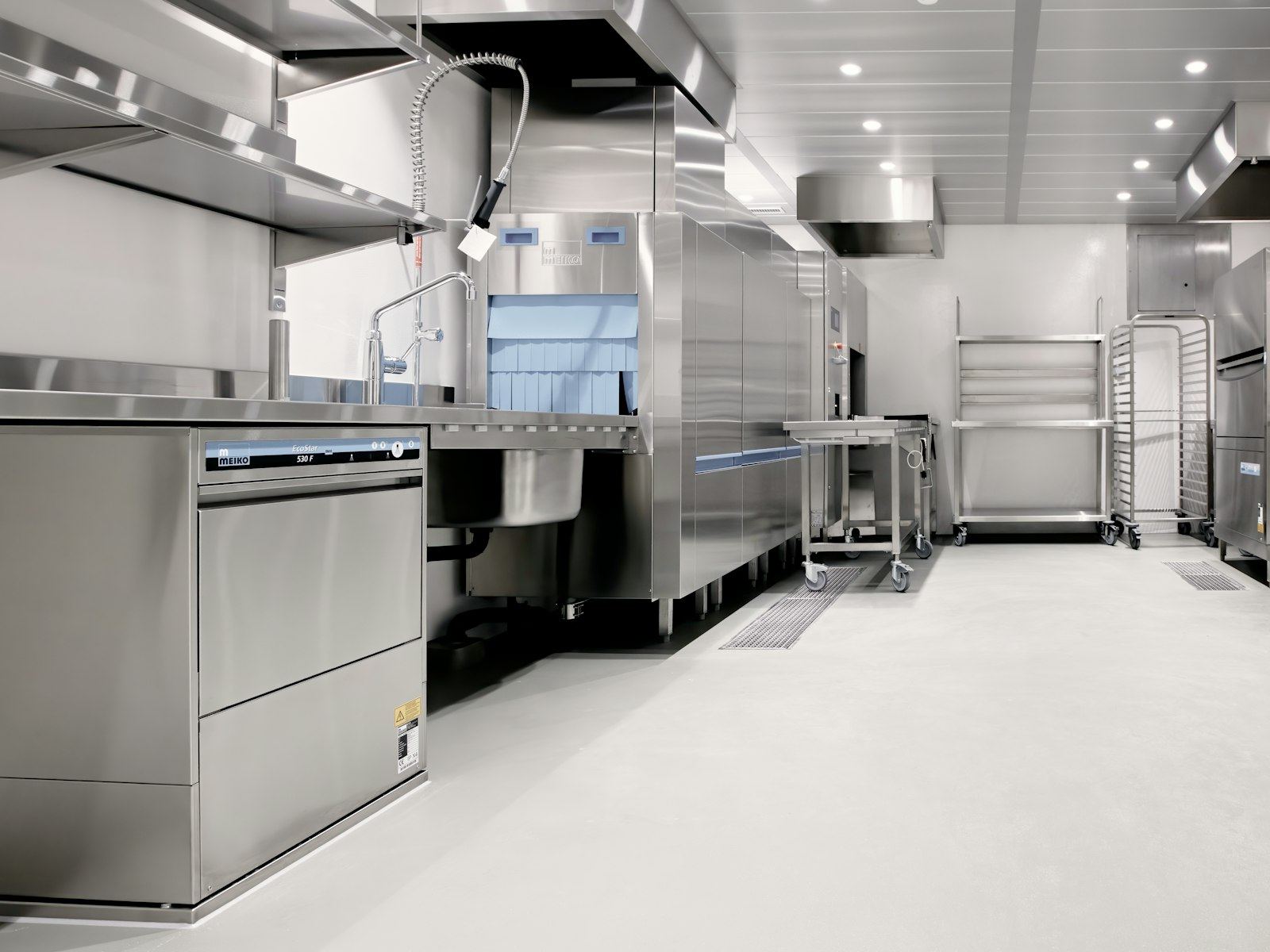
Sticky patches that stay tacky
Areas that remain soft days after the rest of the floor has hardened. Cold spots or contamination often cause this uneven cure.
- 4
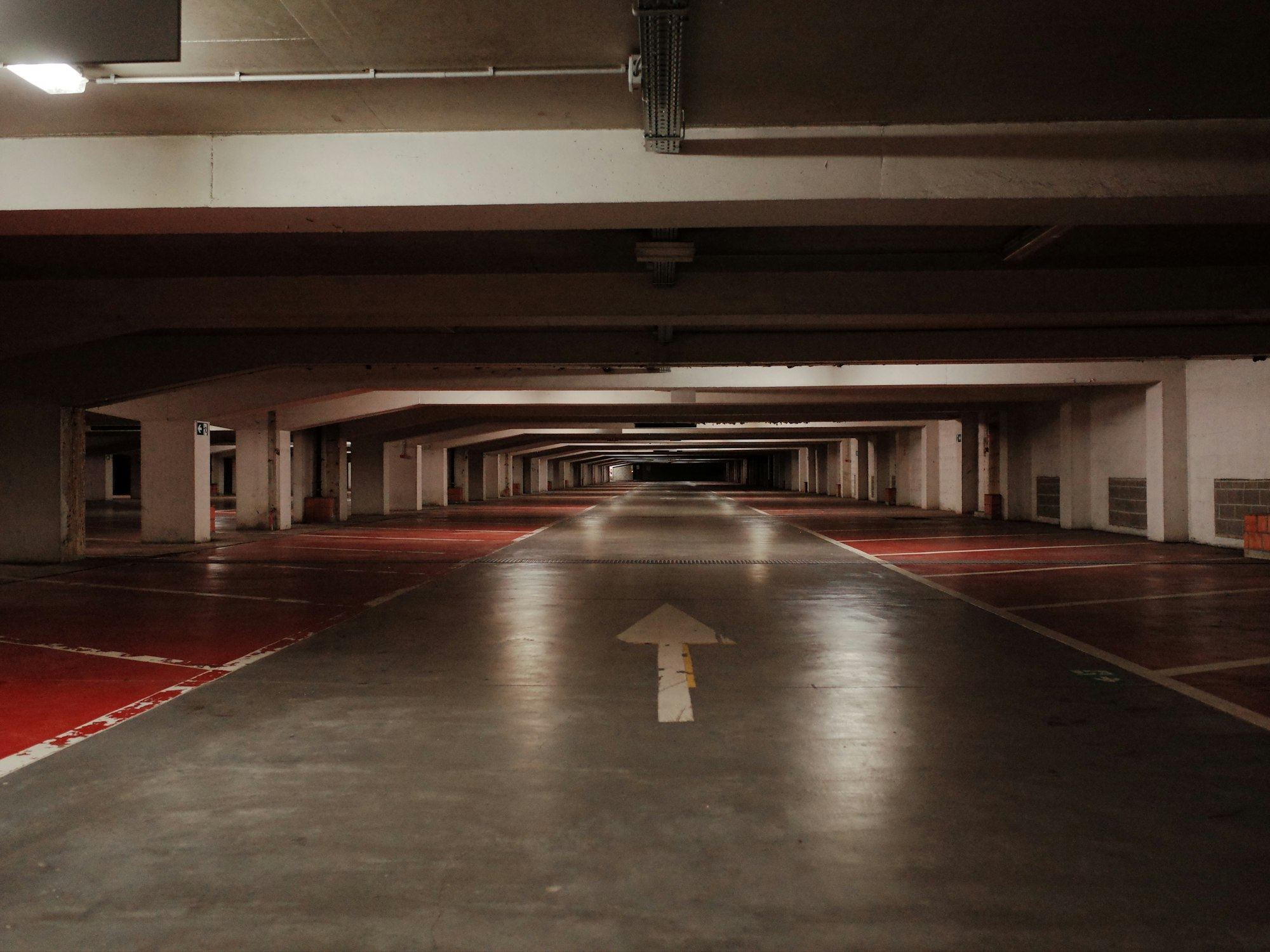
Lifting at the edges
Sections of resin peeling away from the concrete. Early heavy traffic breaks the bond before the adhesive strength develops fully.

Curing times and shutdown questions
Answers to the scheduling questions that come up before any resin goes down in Warrington units.
How soon can staff walk on the new resin floor?
Typically twelve to twenty-four hours for a standard epoxy at normal temperatures. Thicker screeds take longer. The specialist contractor sets the exact time based on the product and the slab temperature.
When can forklifts and pallet trucks go back on it?
Usually five to seven days. Wheeled traffic places far more stress on the coating than boots. Using them too early causes ruts and breaks the bond to the concrete.
How long before the floor can take spills and washdown chemicals?
Seven to fourteen days for full chemical resistance. The surface feels dry much sooner, but the internal cure takes weeks. Chemical contact before then can stain or soften the resin.
Does a cold unit in winter make curing take much longer?
Yes. Below ten degrees, cure times double or triple. Below five degrees, standard epoxy stops curing entirely. The slab temperature matters more than the air temperature.
Can we do the job over a weekend shutdown and open Monday?
Only if you use a fast-cure resin designed for it, or if Monday traffic is limited to walking. Standard epoxy will not handle forklifts by Monday morning.
What happens if someone walks on it too early?
Footprints pressed into soft epoxy leave permanent marks in the surface. Wheels and heavy items pushed across it too soon gouge deeper damage that a specialist contractor must grind out and patch later. That repair costs more than waiting the correct time in the first place.
Can the work be split into sections so part of the unit stays open?
Yes. A specialist contractor can phase the work into separate zones so part of the unit stays open while resin cures elsewhere. Each section needs its own full cure time before traffic moves back onto it, which affects overall floor coating shutdown planning.
Do you heat the unit to keep the cure on schedule?
Contractors use indirect heaters to raise the slab temperature when needed. Direct hot air on wet resin causes problems, so heating must be planned carefully.
Plan your shutdown around the cure
Describe your unit and the traffic it handles. A specialist firm will tell you how long the floor needs before each type of use returns, so you can plan the work without guessing.
- No charge for advice
- Timelines for your unit
- Phased options available