Warrington
Preparing a concrete floor for resin
Find out what preparation your slab needs before a coating goes down. Send the details of your unit and a specialist firm will explain the options without charging for the advice.
Why concrete surface preparation decides if epoxy sticks
Why bare concrete needs more than a sweep
A new or existing slab looks flat, but at a microscopic level it is covered in laitance, curing compounds, dust and old sealers. Epoxy resin bonds mechanically. It flows into tiny pores and locks itself in as it cures. If those pores are blocked or filled with loose material, the coating sits on top rather than gripping the substrate. That is why epoxy floors peel.
Preparing a concrete floor for resin means opening those pores so the liquid has somewhere to anchor. In Warrington, where units range from older industrial sheds near Dallam to newer builds around Birchwood, the condition of the slab varies widely. A specialist firm assesses the surface hardness, moisture content and contamination levels before deciding which method to use. The choice between shot blasting concrete floor Warrington firms see every week and lighter approaches depends entirely on what the slab shows them.
Shot blasting and diamond grinding compared
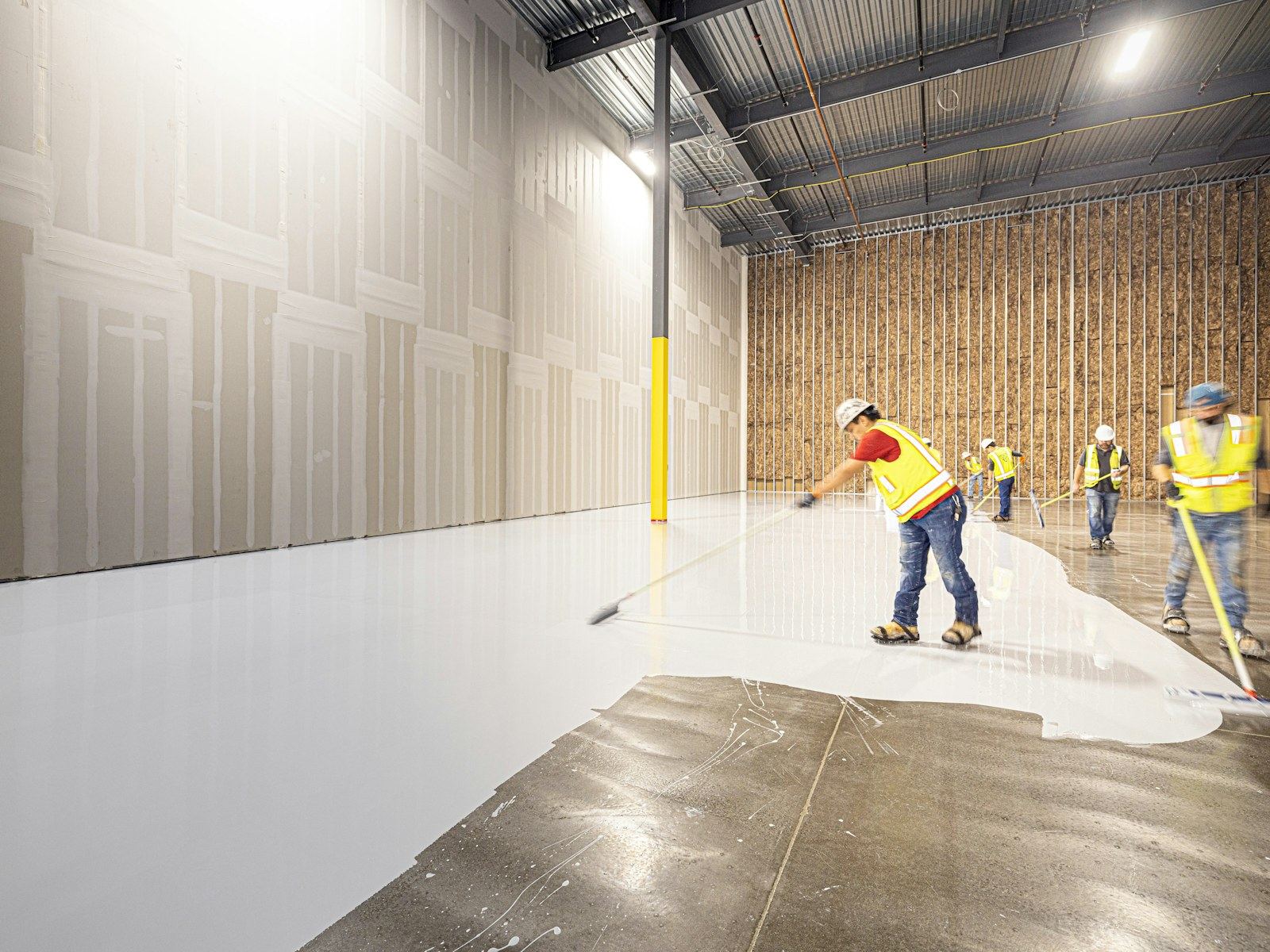
Shot blasting fires steel abrasive at the surface under pressure. It strips coatings, removes laitance and profiles the concrete in one pass. For large warehouse bays or areas that have seen heavy traffic, this is usually the starting point. The machines carry their own extraction, pulling dust back into a sealed drum as they work.
Diamond grinding floor prep uses rotating discs embedded with industrial diamonds to shave the surface down. It produces a smoother finish than shot blasting and works well when the slab only needs a light profile or when high spots must be flattened. Both methods fall under concrete surface preparation methods, but they serve different conditions. A specialist chooses based on how hard the concrete is, how much material needs removing and whether the floor has been treated before.
When scabbling is the right choice
Floor scabbling before coating involves pneumatic hammers that chip away the top layer of concrete. It is aggressive work, reserved for slabs that are heavily contaminated, badly spalled or coated in thick residues that grinding cannot shift. Scabbling leaves a rough, pitted surface. That texture gives a thick resin screed plenty to grip, but it would be too coarse for a thin epoxy paint.
In older Warrington units, particularly around Earlestown and Newton le Willows, floors sometimes carry decades of oil, chemical spills or failed coatings. A specialist firm brings scabblers when nothing else will get down to sound concrete. After scabbling, they often follow up with a lighter grind to even out the worst ridges before applying any primer.
Dealing with oil and contamination
If the slab is stained with oil, preparation alone may not be enough. Oil soaks into concrete and prevents resin from bonding, no matter how aggressively the surface is abraded. Specialist firms test for contamination by applying water to the floor. If it beads instead of soaking in, oils or sealers are present.
Deep stains require degreasing compounds applied and left to draw the oil out before mechanical preparation begins. In severe cases, the top layer must be removed entirely through scabbling or deep grinding. Only once the substrate tests clean can the resin go down. Skipping this step is a common reason coatings fail in busy Warrington workshops and garages.
Dust, noise and working around staff
Mechanical preparation is loud and generates fine silica dust. Specialist firms use machines fitted with vacuum shrouds connected to industrial HEPA extraction units. This captures most of the dust at the source, but the work area still needs isolating. Plastic sheeting across doorways and temporary barriers keep dust out of adjacent rooms.
Noise levels mean preparation rarely happens alongside normal operations. Some Warrington firms schedule the work overnight or over weekends so staff are not exposed. If the building must remain partially operational, the specialist plans the job in sections, preparing one zone while work continues in another. They bring their own three-phase power leads and extraction equipment, so there is no need to supply anything beyond access.
Drying time and the gap before coating
After grinding or shot blasting, the concrete is open and vulnerable. Moisture from the air or the slab itself can start affecting the surface immediately. Specialist firms check moisture levels using a hygrometer or calcium chloride test before any resin is mixed.
If the slab is damp, a moisture-tolerant primer or a damp proof membrane system might be needed before the main coating goes down. The window between preparation finishing and the first coat being applied is usually kept short, often within the same day, to prevent the freshly opened pores from absorbing ambient moisture or collecting dust again. Leaving a prepared floor exposed overnight risks contaminating the very surface they just cleaned.
Responsibility when preparation fails
If a coating lifts because the slab was not prepared correctly, the fault lies with whoever specified and carried out the work. Reputable specialist firms document the surface condition before they start, noting moisture readings, hardness tests and the chosen preparation method.
This record protects both sides. If you notice bubbling, lifting edges or hollow sounds underfoot after a new floor is laid, the installation firm should return to investigate. Preparation accounts for a large portion of the total cost of a resin floor because skipping it guarantees failure. Asking detailed questions about their process before work starts helps avoid disputes later.
Signs your concrete is not ready for resin
A slab that looks clean can still hold contaminants or lack the profile a coating needs. These signs suggest the surface requires professional preparation before resin is applied.
- 1
Water beads on the surface
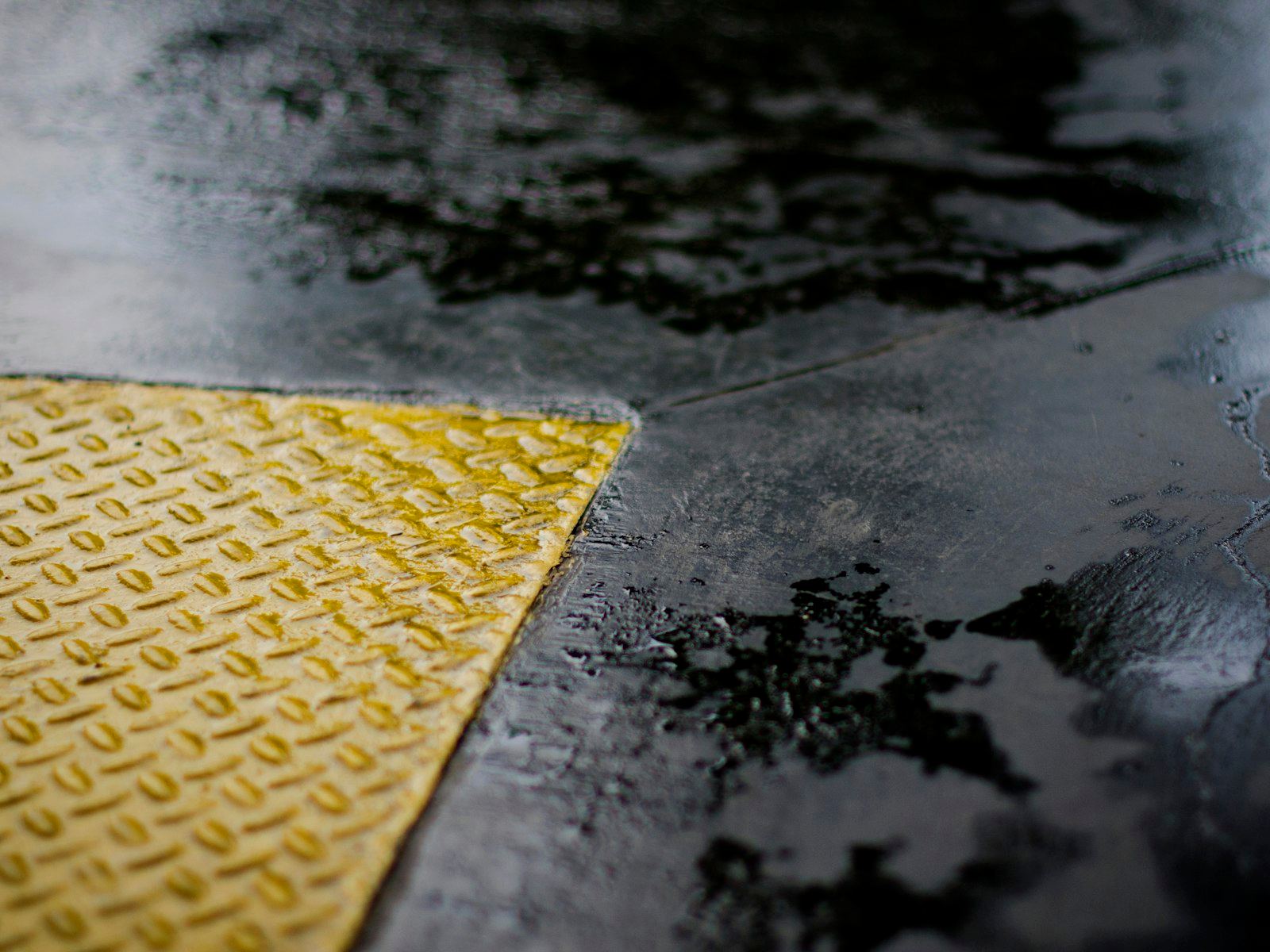
Poured water forms droplets instead of soaking in. This suggests a sealer, oil or curing compound is blocking the pores.
- 2
Chalky dust wipes off easily
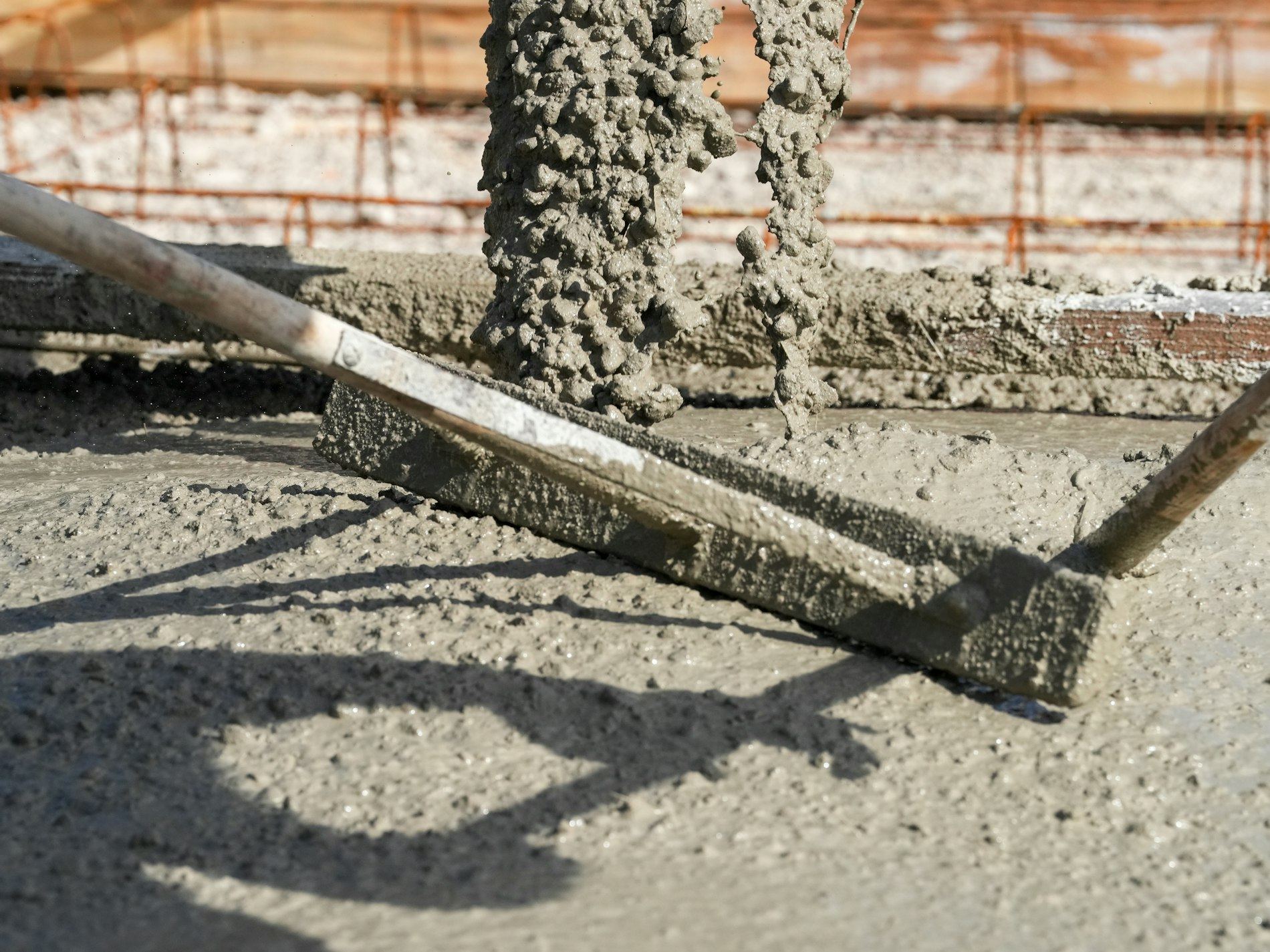
Dragging a boot or finger leaves a white trail. Loose laitance will stop epoxy from bonding to the concrete beneath.
- 3
Old paint flakes underfoot
Existing coatings lift in chips or sheets. New resin applied over failing paint will peel away with it.

- 4
Dark patches stay damp
Stains that do not dry out indicate trapped oil or rising moisture. Both cause adhesion failure in new coatings.
Questions about concrete preparation in Warrington
What specialist firms are asked before work starts on local units, garages and warehouses.
- Shot blasting or diamond grinding?
- The specialist inspects the slab hardness and contamination level. Heavily worn or coated floors usually need shot blasting; smoother slabs suit diamond grinding.
- Working while staff are present
- Preparation is noisy and dusty. Firms usually section off areas or schedule work outside normal hours to keep staff clear of the machines.
- Dust and noise containment
- Machines run with attached HEPA vacuums that capture most dust. Noise remains significant, so ear protection and isolation are standard practice.
- Oil-contaminated slabs
- Surface grinding removes light staining. Deep oil penetration requires chemical degreasers or scabbling to reach clean concrete before any resin is applied.
- Drying after preparation
- The slab must pass a moisture test. If readings are high, the specialist applies a moisture-tolerant primer or waits for the concrete to dry sufficiently.
- Who is liable if it peels?
- The firm that prepared and coated the floor carries responsibility. Reputable specialists document moisture readings and surface profiles before starting work.
Ask about preparing your floor
Send the details of your space. A specialist firm covering Warrington will review the slab condition and explain which preparation method suits it, with no obligation to book.
- No site visit required yet
- Free initial guidance
- Local specialist firms