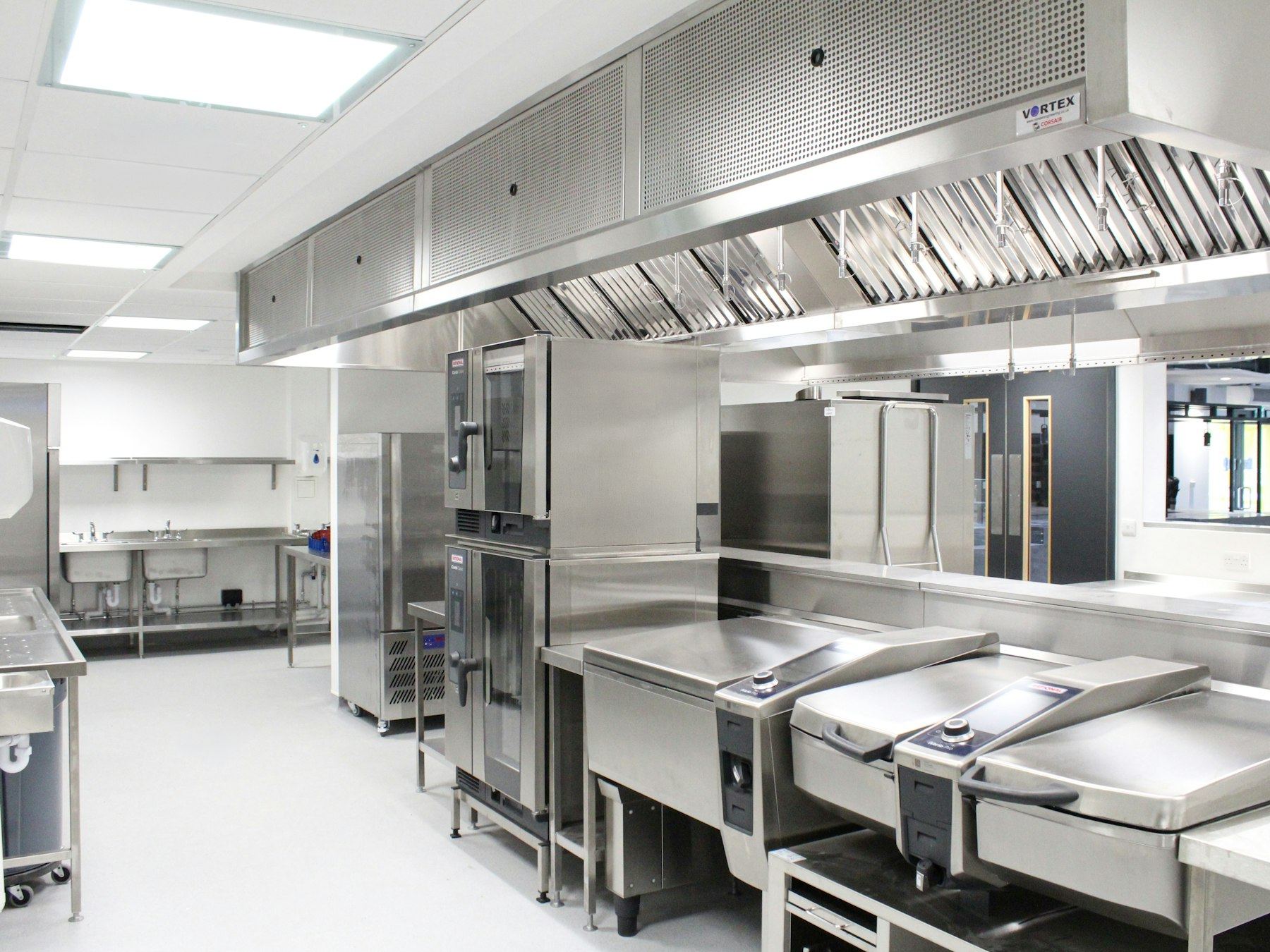
Warrington food units
Food factory floor coating in Warrington
Send details of your bakery, chilled store or wash-down area and receive a price for hygienic resin flooring. There is no charge for the enquiry and no obligation to proceed.
Hygienic resin for bakeries and food production
A food factory floor coating in Warrington has to do more than cover concrete. In bakeries, dough residues and sugar syrups sit on the surface for hours before cleaning begins. The resin must resist these materials without softening or staining, and it must leave nowhere for bacteria to hide.
Hygienic flooring in Warrington typically uses a food grade epoxy floor system designed for direct contact with ingredients and frequent chemical washes. A bakery floor resin coating needs to handle flour dust settling into micro-texture, so the finish is usually smooth enough to wipe clean but textured enough to grip wet boots.
Specialist contractors apply these systems after testing the existing slab for moisture. If the concrete holds too much water, a damp proof membrane goes down first so the resin does not blister later. The thickness matters too. A 4mm build handles trolley wheels and dropped trays better than a thin paint film. You can read more about choosing between 2mm, 4mm and screed builds when planning the specification.
Coving, falls and wash-down areas
Where the floor meets the wall, a sharp corner traps fat and flour. Coving curves that junction upward by 50mm or more, creating a continuous surface that a hose or mop clears easily. The specialist forms this cove from the same resin as the main floor so there is no seam for water to penetrate.
Wash down area flooring relies on falls directing every litre toward a gully. Before any resin goes down, the contractor checks levels. If the existing concrete slopes the wrong way, they lay a bonded screed to correct it. Concrete floor screeding in Warrington sets those gradients so puddles cannot form around mixing stations or ovens.
Once laid, the surface must tolerate daily steam cleaning. Hot water at pressure strips cheap paints within weeks. A properly specified polyurethane or heavy-duty epoxy stands up to thermal shock because its formulation flexes slightly as temperatures swing. Anti slip floor coating additives keep the surface safe even when the wash-down crew leaves it wet.
Working inside chilled stores and cold rooms
Standard epoxy will not cure below ten degrees. In a chilled store running at two or three degrees, the resin stays tacky and never reaches full hardness. A chilled store floor coating uses modified chemistry designed to set at low temperatures, sometimes down to minus twenty degrees for freezer environments.
The specialist selects the right product based on the operating temperature of the room. Cold store floor coating work also demands fast application because the door cannot stay open long without risking condensation on the substrate. Moisture on cold concrete ruins adhesion.
Scheduling matters here. The contractor plans the pour during a maintenance window or a defrost cycle when the room warms slightly. They may use heaters to bring the slab above the dew point just long enough for the primer to bond. Once cured, the floor resists ice crystal formation and repeated freeze-thaw stress without cracking.
Phasing the work around production lines
Shutting a food line costs money every hour it sits idle. So the specialist phases the installation, working one bay or zone at a time while the rest of the factory keeps running. They seal off the active area with temporary barriers to stop dust and fumes reaching open product.
Ventilation during works is a legal requirement where food is handled nearby. Extraction units pull solvent vapour out before it drifts toward packing lines. You can read more about managing epoxy floor smell and fumes when planning access routes and barrier positions.
After each section cures, the crew moves to the next. Curing times vary by product. Some fast-set resins allow foot traffic in eight hours and full wash-down in twenty-four. The contractor confirms these windows before starting so the production manager knows exactly when each zone returns to service. Restarting food handling depends on the specific resin reaching full chemical resistance, which the data sheet states clearly.
Chemical resistance to fats, sugars and cleaners
Food factories use aggressive cleaning agents. Caustic detergents dissolve animal fats. Acidic descalers remove mineral deposits from hard water. Sugary syrups ferment if left too long, producing weak acids that attack poor-quality coatings.
A food grade epoxy floor resists all of these within defined concentration limits. The specialist checks which chemicals you use, how often, and at what dilution. They match the resin system to that schedule. Polyurethane toppings generally handle hot caustic washes better than standard epoxy, while novolac epoxies cope with stronger acid spills.
Fats present a particular problem because they penetrate microscopic pores. If the surface profile is too open, grease works its way under the film and causes delamination. The contractor grinds the concrete to a closed profile before priming, ensuring the bond stays intact through years of deep cleaning cycles.
Signs your food unit floor is failing inspection
Bare concrete in a food environment absorbs moisture, harbours bacteria and breaks down under chemical washes. These problems show themselves visibly before an auditor writes them up.
- 1
Dark patches near drains
Staining that does not lift after washing suggests liquid has soaked into the concrete below the surface coating, if one exists.
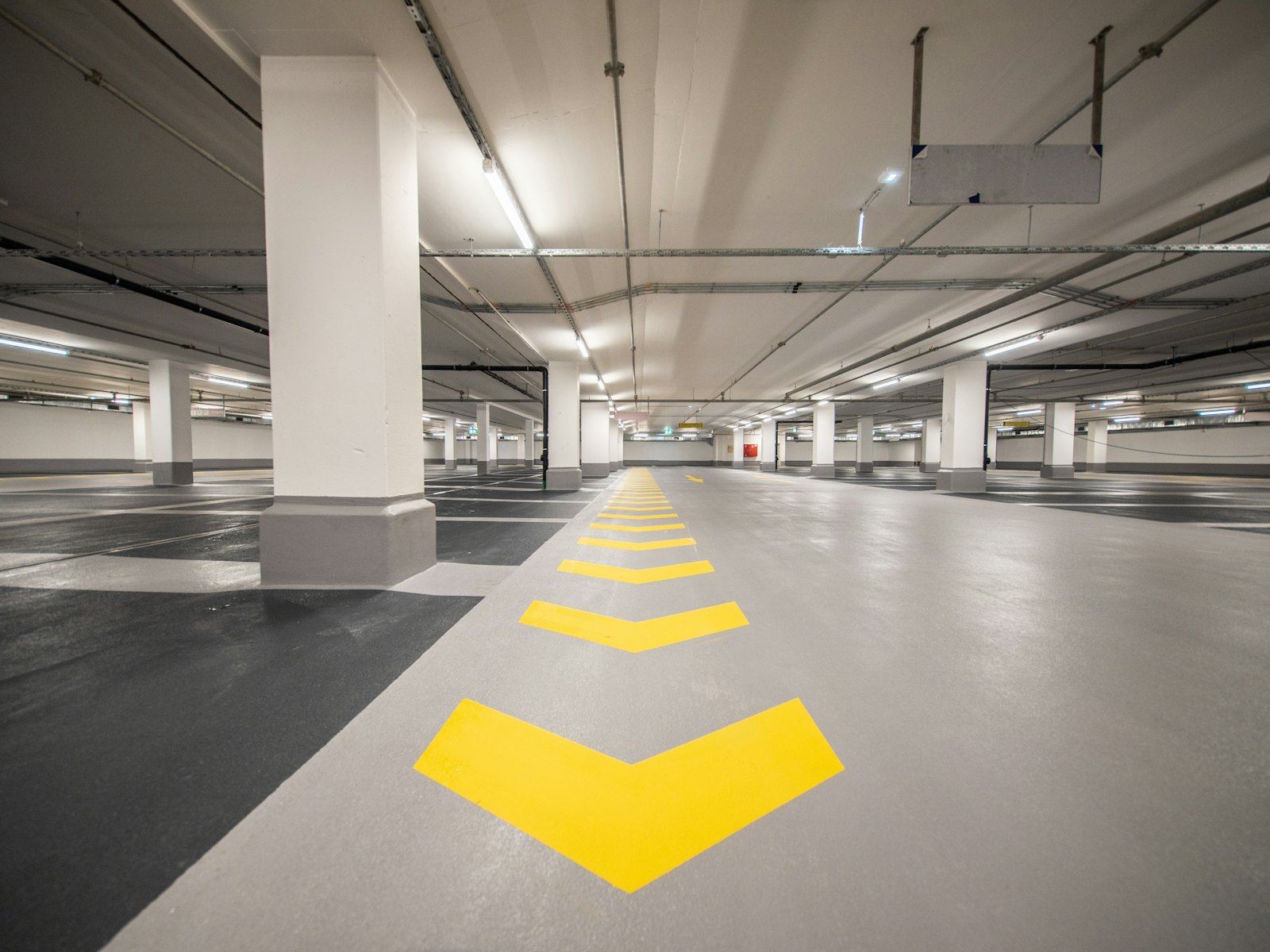
- 2
Cracks holding residue
Hairline fractures collect flour, fat or sugar. Cleaning brushes push debris deeper rather than removing it.
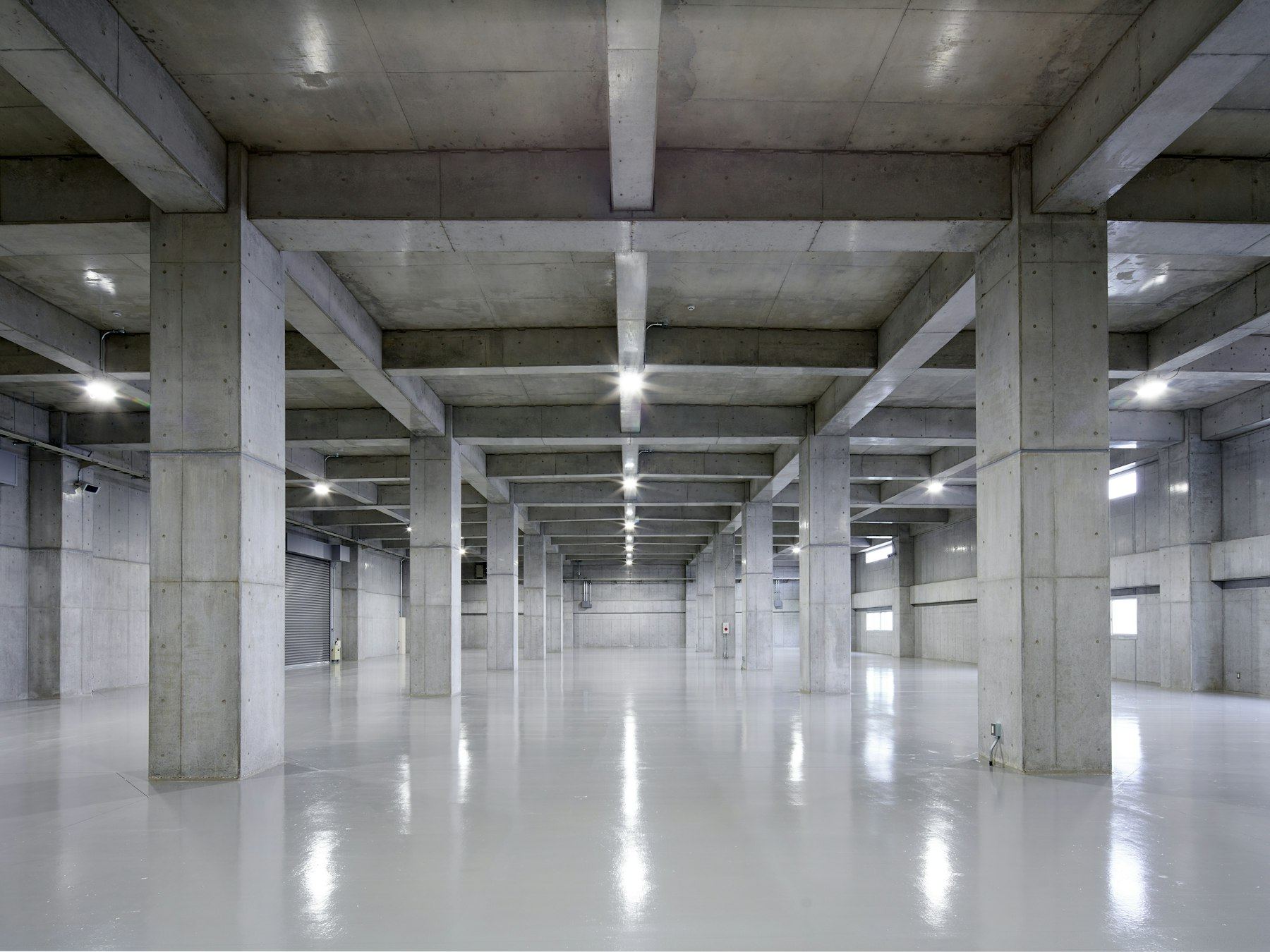
- 3
Peeling edges at walls
Where the floor lifts away from skirting or blockwork, water enters behind the coating and spreads underneath.
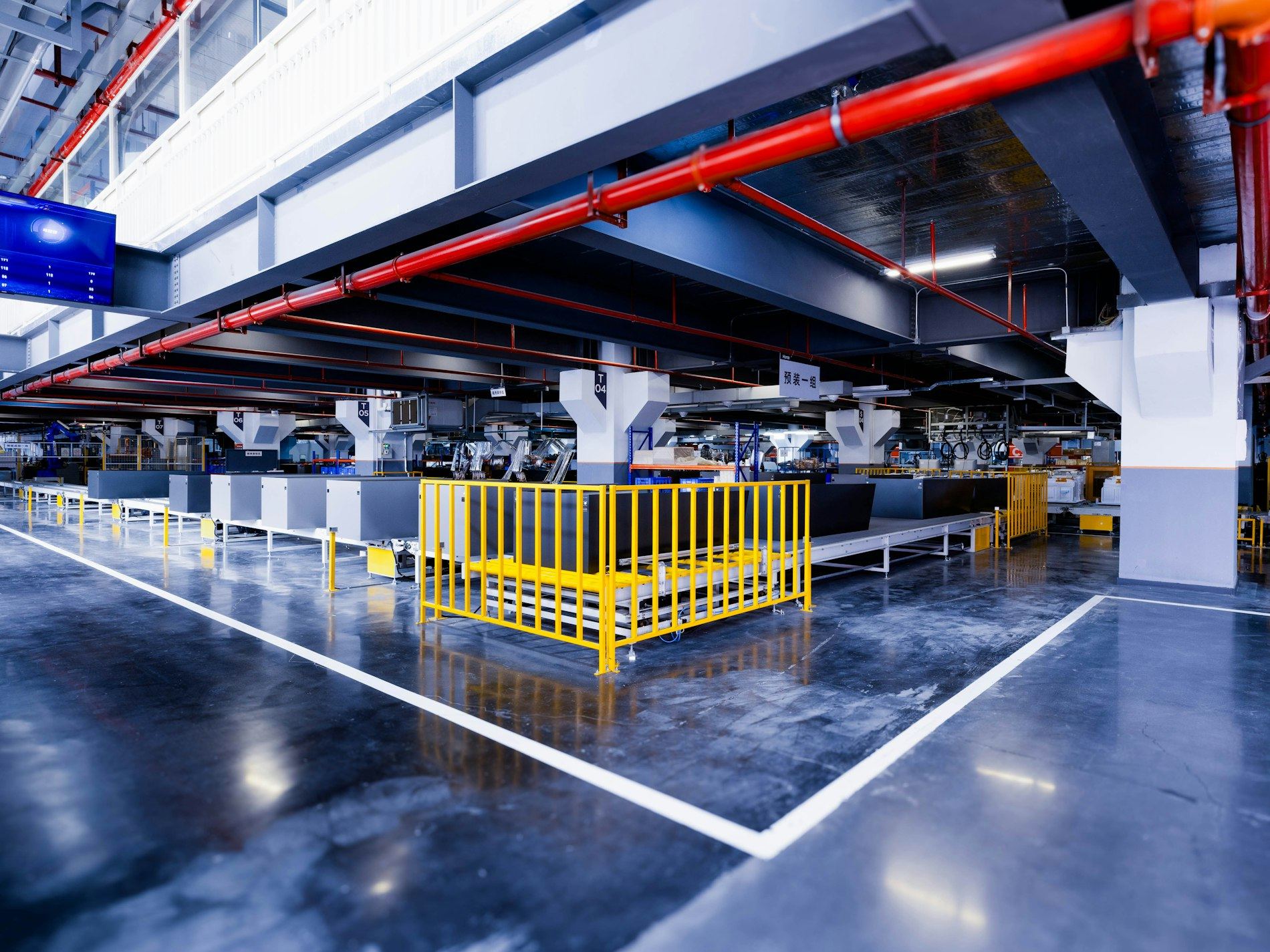
- 4
Persistent slippery spots
Areas that stay slick after rinsing may have lost their texture through wear, leaving a smooth hazard for staff.
Food unit services
Coatings for Warrington food facilities
- Bakery floor resin
- Smooth, chemical-resistant finishes that handle flour dust, sugar syrups and daily mopping without degrading or trapping residue.
- Chilled store coating
- Low-temperature curing resins applied inside walk-in fridges and freezers where standard epoxy would never set properly.
- Wash-down area surfacing
- Gradients formed to drain points, combined with anti-slip textures that remain safe under high-pressure hot water jets.
- Coving and wall junctions
- Curved resin transitions formed at perimeter walls to eliminate sharp corners where food waste and bacteria accumulate.
- Screeding for falls
- Bonded levelling compounds laid to create precise drainage slopes before the final hygienic coating goes down.
- Line marking for zones
- Colour-coded resin paths defining allergen-free routes, raw ingredient areas and finished goods walkways on the factory floor.
Ask about a food-safe floor for your unit
Send the dimensions, room temperature and cleaning methods. The specialist firm reviews the details and replies with a scope and price. Sending an enquiry does not commit you to anything.
- No obligation
- Floor assessment
- Local specialists