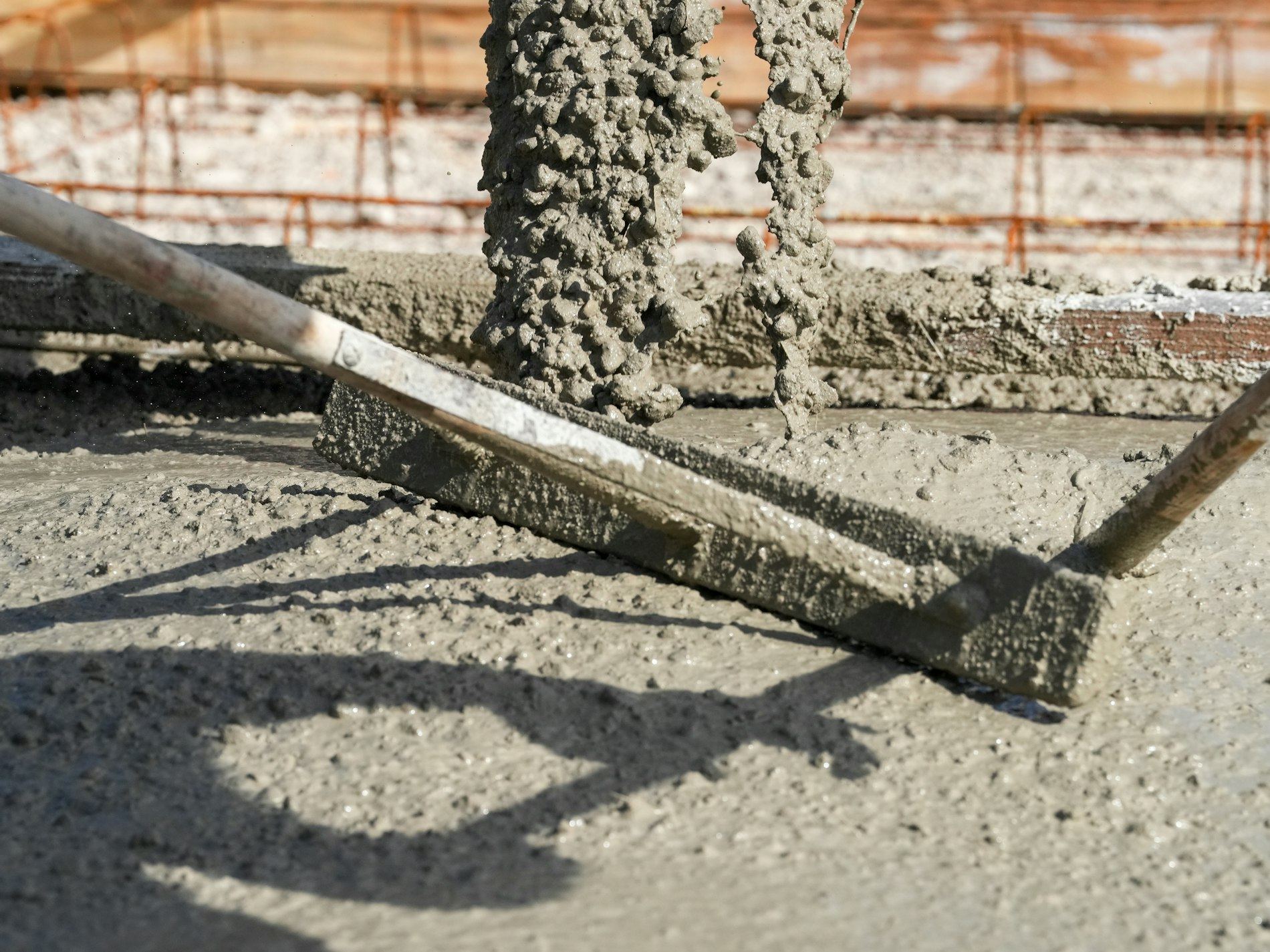
Warrington screeding
Concrete floor screeding in Warrington
Describe the dip or damage in your concrete slab and find out what a specialist would propose before any resin goes down. There is no charge for the initial conversation and no obligation to proceed.
Screed options
What a new screed can do for your floor
- Floor levelling screed
- Where a slab dips or crowns, a floor levelling screed in Warrington brings the surface back to a flat plane so a resin finish bonds evenly without pooling or thin spots.
- Falls to drainage
- Food factories and wash-down bays need water to run off. A falls to drainage floor screed creates a precise gradient toward gullies before the final coat goes on.
- Self-levelling compound
- For thinner build-ups, a self-levelling compound on an industrial floor flows into minor hollows and cures fast, giving a smooth substrate ready for epoxy or polyurethane.
- Repair screed over damage
- Uneven warehouse floor repair often starts with a bonded screed over spalled areas, restoring levels so racking and pallet trucks sit flush again.
- Screed before epoxy
- Laying a concrete screed before epoxy ensures the resin has a sound, dry, flat surface to grip. Skipping this step risks adhesion failure later.
Slab problems
Why bare concrete stops a resin coating from working
Resin needs a predictable surface. These are the faults that force a screed first.
- Dips and hollows A slab that sags in the middle leaves resin pooling in one spot and running thin in another. Screeding fills the void to a uniform depth.
- Spalled edges and cracks Broken concrete edges crumble under traffic. Patching alone rarely holds; a full screed ties the repairs together and restores a continuous wearing surface.
- No fall to drains Standing water ruins coatings. The specialist maps low points and builds up the mix so liquid runs cleanly to existing drains.
- Rough tamped finishes Older industrial slabs were often finished rough. Resin cannot bridge deep ridges, so a smoothing screed flattens the profile before any coating is applied.
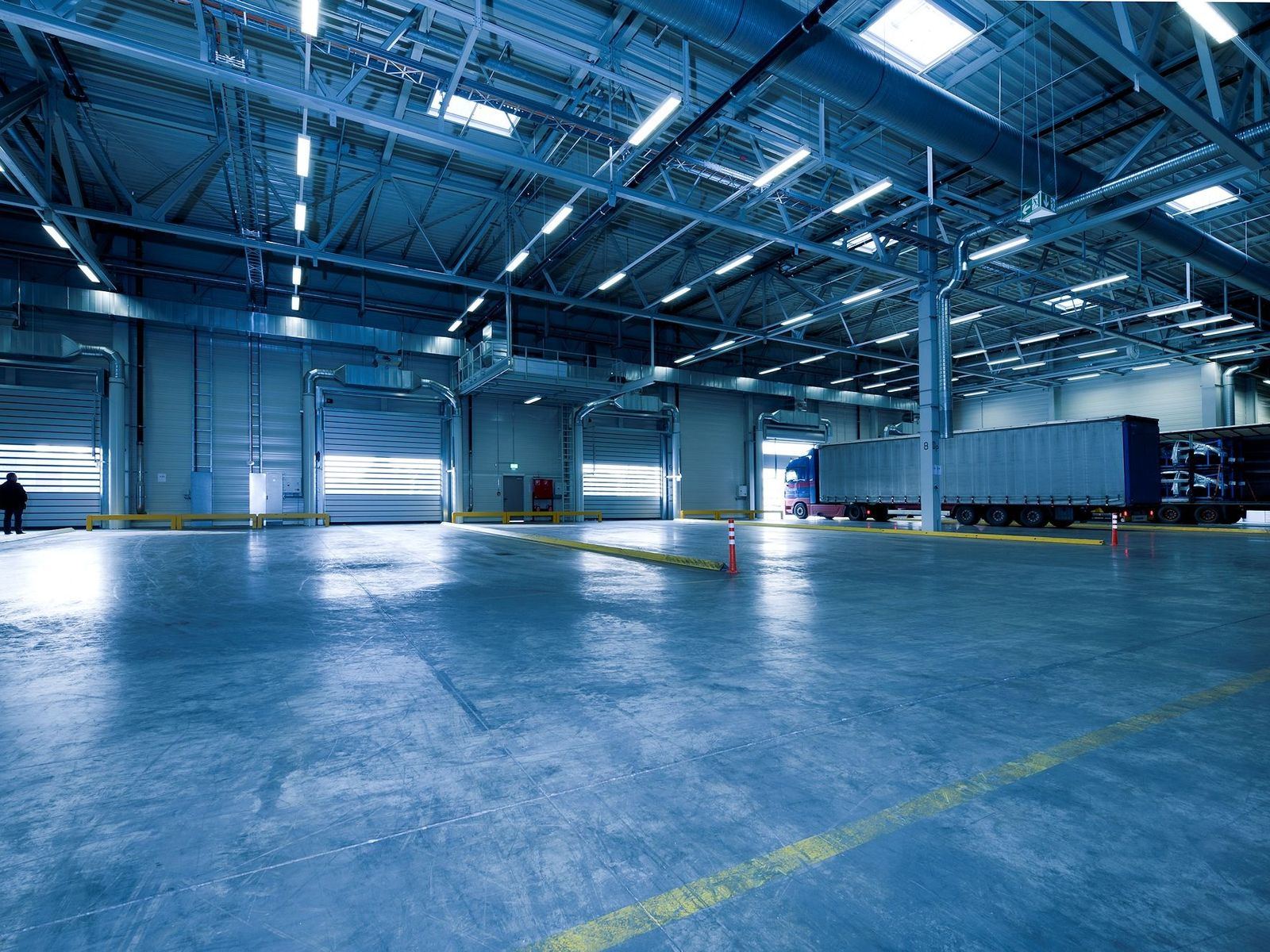
From enquiry to finished screed
01
You describe the slab
Tell us where the floor dips, cracks or holds water, and what the space is used for day to day.
02
A specialist surveys
An independent contractor visits the unit in Warrington, measures levels and checks moisture readings in the existing concrete.
03
They propose a build-up
The contractor specifies the screed type, thickness and curing time needed before any resin can follow.
04
Screed goes down
Preparation, priming and pouring happen in stages, with the contractor managing access and drying times throughout.
On site
What happens while the screed cures
The area must stay clear of foot traffic and vehicles until the screed reaches its design strength. The contractor will confirm exact drying times based on the product used and ambient conditions in the unit.
Moisture tests follow the cure period. If readings are too high for resin, the contractor may recommend a damp-proof membrane layer before proceeding with the final coating.
Door thresholds, racking legs and machinery bases dictate how thick the screed can be. The contractor maps these fixed points during the survey to avoid raising the floor past usable limits.
Ventilation matters. Enclosed spaces slow evaporation, so the contractor may use dehumidifiers or temporary extraction to keep the cure on schedule.
Questions about screeding your floor
My slab in Warrington dips in the middle, can screeding level it before a resin finish?
Yes. A bonded levelling screed fills the low area and brings the whole slab to a single plane. The contractor measures the deepest point during the survey to calculate the required thickness and ensure the resin sits at a consistent depth across the floor.
How do you form falls towards a drain in an existing unit?
The contractor sets screed rails at calculated heights, sloping toward each gully. Once the material is poured and struck off, it follows those rails, creating a gradient that moves surface water away before the resin topcoat is applied.
How thick does a screed need to be and will it raise my door thresholds?
Minimum thickness depends on the product, typically 15mm for polymer-modified screeds and more for cementitious types. The contractor checks threshold heights and racking plates during the survey to confirm the build-up will not foul them.
How long does a screed take to cure before resin can go over it?
Cement-based screeds usually need several weeks to dry sufficiently. Fast-curing polymer or calcium sulphate alternatives shorten that window. The contractor takes moisture readings before approving the slab for resin application.
Is screeding cheaper than breaking out and replacing the slab?
Generally, yes. Breaking out a slab involves skip hire, disposal costs and a long wait for new concrete to cure. A screed overlays the existing base, saving time and reducing disruption to operations in the unit.
Can screeding fix cracked and broken areas or do those need patching first?
Loose material must be removed and deep voids filled before the screed goes down. The contractor handles this preparation as part of the job, ensuring the new layer bonds to solid substrate rather than bridging empty gaps.
Will the new levels affect racking legs or machinery bases already fixed down?
Adding height changes clearances. The contractor surveys every fixed point beforehand and either adjusts the screed thickness locally or advises if equipment needs shimming once the floor is finished.
What disruption should I plan for while a screed goes down and cures?
The area is out of use during preparation, pour and cure. The contractor sequences the work so other parts of the building remain accessible where possible, and confirms when light foot traffic can resume.
Areas covered around Warrington
Specialist contractors handle concrete floor screeding and resin coatings across Warrington and the surrounding WA postcodes, from single garages to full distribution units.
- Concrete floor screeding Birchwood
- Concrete floor screeding Burtonwood
- Concrete floor screeding Dallam
- Concrete floor screeding Earlestown
- Concrete floor screeding Great Sankey
- Concrete floor screeding Lymm
- Concrete floor screeding Newton le Willows
- Concrete floor screeding Norton
- Concrete floor screeding Penketh
If your area is not listed, ask anyway. Coverage often extends further.
Find out what your slab needs
Send details of the floor and a contractor will assess whether screeding is the right step before any coating. You are not committing to a purchase by asking.
- No obligation to buy
- Free initial assessment
- Local contractors only