Warrington units
Resin floor thickness: how much do you need?
Send the dimensions of your unit and what drives over it. A specialist firm will read them and reply with resin floor specification advice suited to your traffic, at no cost and with no obligation.
Thin coatings and how thick should epoxy floor be
A thin coating sits between 0.3mm and 1mm on top of the concrete. It seals dust out and gives the slab a colour, but it does not add structural strength. People asking how thick should epoxy floor be often start here because the material cost is lower and the work finishes fast.
For foot traffic in offices or light trolley use, a thin coat holds up. Forklift wheels are a different matter. The point load from a loaded truck compresses the resin against the concrete. If the slab underneath has any hollows or cracks, a thin film bridges them without support. That is where an epoxy coating vs screed comparison begins, because the thinner option only works when the substrate is flat and sound.
Garage floors in Warrington homes typically use this build-up. See [Garage Floor Coating in Warrington: What to Expect](/coatings/garage-floor-coating-warrington) for what that involves. Thin coats also appear in retail spaces where appearance matters more than impact resistance.
Self-smoothing systems and self levelling resin floors
A self-smoothing system pours at 2mm to 4mm. It flows across the slab and cures flat, which is why people searching for a self levelling resin floor Warrington installers apply usually mean this category. The extra depth means the resin can absorb more wear before the concrete shows through.
Is 2mm enough for a unit with daily forklift traffic? For standard counterbalance trucks moving pallets at walking pace on a good slab, yes. The resin spreads the wheel load across a wider area than a paint-thin coat. But if the trucks carry heavy steel stillages or turn sharply in tight aisles, the shear force increases. A specialist will look at the turning circles and axle weights before confirming 2mm is adequate.
Many warehouse bays in Warrington run this thickness. It balances material cost against durability. Read [Warehouse Floor Painting in Warrington: Bays and Lines](/coatings/warehouse-floor-painting-warrington) for how bay layouts affect where the thicker resin goes.
Heavy duty floor screed thickness and impact loads
When dropped pallets, steel drums or heavy racking legs hit the ground, the floor needs mass to absorb the blow. Heavy duty floor screed thickness starts around 6mm and goes up to 9mm or more. These are trowelled systems, often filled with graded aggregate, so they cure harder than a poured self-smoothing layer.
What thickness copes with dropped pallets and impact in a goods in area? Six millimetres is the usual starting point. Below that, a sharp corner landing from waist height can chip through to the concrete. Above 6mm, the screed handles repeated impacts from loading docks and yard doors. See [Loading bay floor coating: docks, ramps and thresholds](/blog/loading-bay-floor-coating-docks-ramps-and-thresholds) for how these zones differ from the main aisle.
When do we need a screed instead of a coating? When the traffic includes anything heavier than a pedestrian pallet truck, or when the floor takes point loads from racking uprights. Industrial floor build up options widen at this stage because the screed can also incorporate falls to drainage channels.
Why two quotes for a Warrington unit differ on thickness
Why do two quotes for our Warrington unit differ so much on thickness? Because each specialist reads the slab differently. One might see a floor that only needs sealing and quote a 1mm coat. Another might spot moisture readings near the limit and specify a 3mm system with a vapour barrier built in. Read [Can You Epoxy Damp Concrete? Moisture Tests and Fixes](/before-the-pour/damp-concrete-and-resin) for why damp changes the build-up.
The condition of the old slab alters everything. Does the condition of the old slab change the thickness we need? Yes. A pitted, spalled surface eats into the first few millimetres of resin just filling holes. To get a true 2mm wearing course on a rough slab, the contractor may pour 3mm or grind the high spots first. Preparation costs money, so a cheaper quote sometimes means less prep rather than a clever saving.
Check [Preparing a Concrete Floor for Resin: Grinding and Prep](/before-the-pour/preparing-a-concrete-floor) to understand what happens before any resin touches the floor.
Curing time and downtime for thicker builds
Does a thicker floor take longer to cure and cost more downtime? Generally, yes. A 0.5mm coat might accept foot traffic overnight. A 6mm polyurethane screed can need three days before forklifts return. The chemistry differs too: epoxies cure by reaction, while polyurethanes are sensitive to ambient temperature and humidity during the pour.
Planning the shut-down window matters as much as choosing the resin. If a unit in Birchwood or Great Sankey cannot stop production for three days, the specialist might split the floor into sections, curing one half while the other runs. Or they might suggest a faster-curing methyl methacrylate system, which trades some chemical resistance for speed.
[When Can You Walk on Resin Floor: Curing and Downtime](/before-the-pour/how-long-before-we-can-use-the-floor) sets out typical timelines. Factor in ventilation too: [Epoxy floor smell and fumes: ventilation during works](/blog/epoxy-floor-smell-and-fumes-ventilation-during-works) explains why enclosed units need extraction running during the cure.
Mixing thicknesses across one building
Can we have a thin coat in offices and a screed in the warehouse? Yes. Most industrial units in Warrington already divide into zones. The office gets a decorative 1mm finish. The production hall gets 3mm self-smoothing. The goods-in bay gets 6mm heavy-duty screed. Each zone meets its own traffic profile without over-specifying the whole footprint.
The joins between thicknesses need planning. A sudden step from 1mm to 6mm creates a trip hazard and a weak edge where forklift wheels catch. Specialists feather the transition over a metre or install a metal edge strip. Expansion joints in the original slab must carry through every layer regardless of thickness. [Expansion joints in resin floors: saw cuts and movement](/blog/expansion-joints-in-resin-floors-saw-cuts-and-movement) covers how those are handled.
This zoning approach keeps costs down. You pay for heavy-duty resin only where the floor actually takes punishment.
How to check what thickness a contractor is quoting
How do I check what thickness a contractor is actually quoting? Ask for the product data sheet. Every resin manufacturer publishes a technical document stating the dry film thickness per coat and the total system build-up. If the quote says "two coats of epoxy" without naming the product or the microns, you are guessing.
A written specification should list each layer: primer, body coat, seal coat, and any aggregate broadcast. Add their individual thicknesses together. That sum is your floor. Verbal promises about "a nice thick layer" mean nothing once the invoice arrives.
If you are comparing industrial floor build up options across several firms, put their data sheets side by side. Look at compressive strength and abrasion resistance figures alongside the millimetres. A 4mm system with high-strength aggregate can outlast a 6mm system made from softer resin. Specialist firms working across Warrington, Newton-le-Willows and Earlestown will expect these questions. Asking them early avoids arguments after the pour.
Signs your resin floor is too thin for the traffic
A floor that lacks the depth for its workload shows damage in patterns tied to where trucks turn, where pallets land, or where racking stands. Spotting these marks early stops a small repair becoming a full re-lay.
- 1
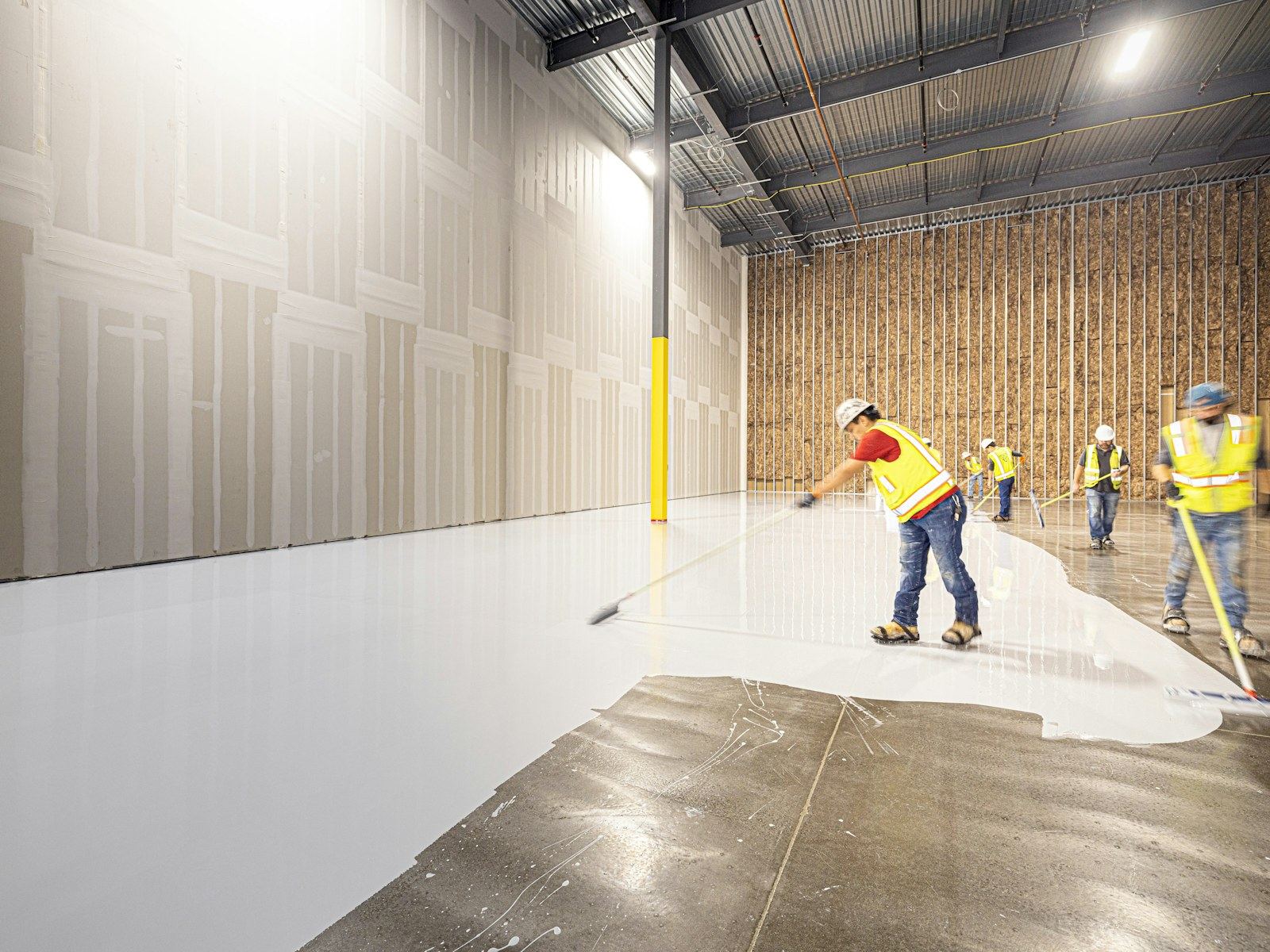
Tyre marks that won't wash off
Dark scuffs that stay after cleaning suggest the wheels are grinding through the top layer into the primer or bare concrete beneath.
- 2
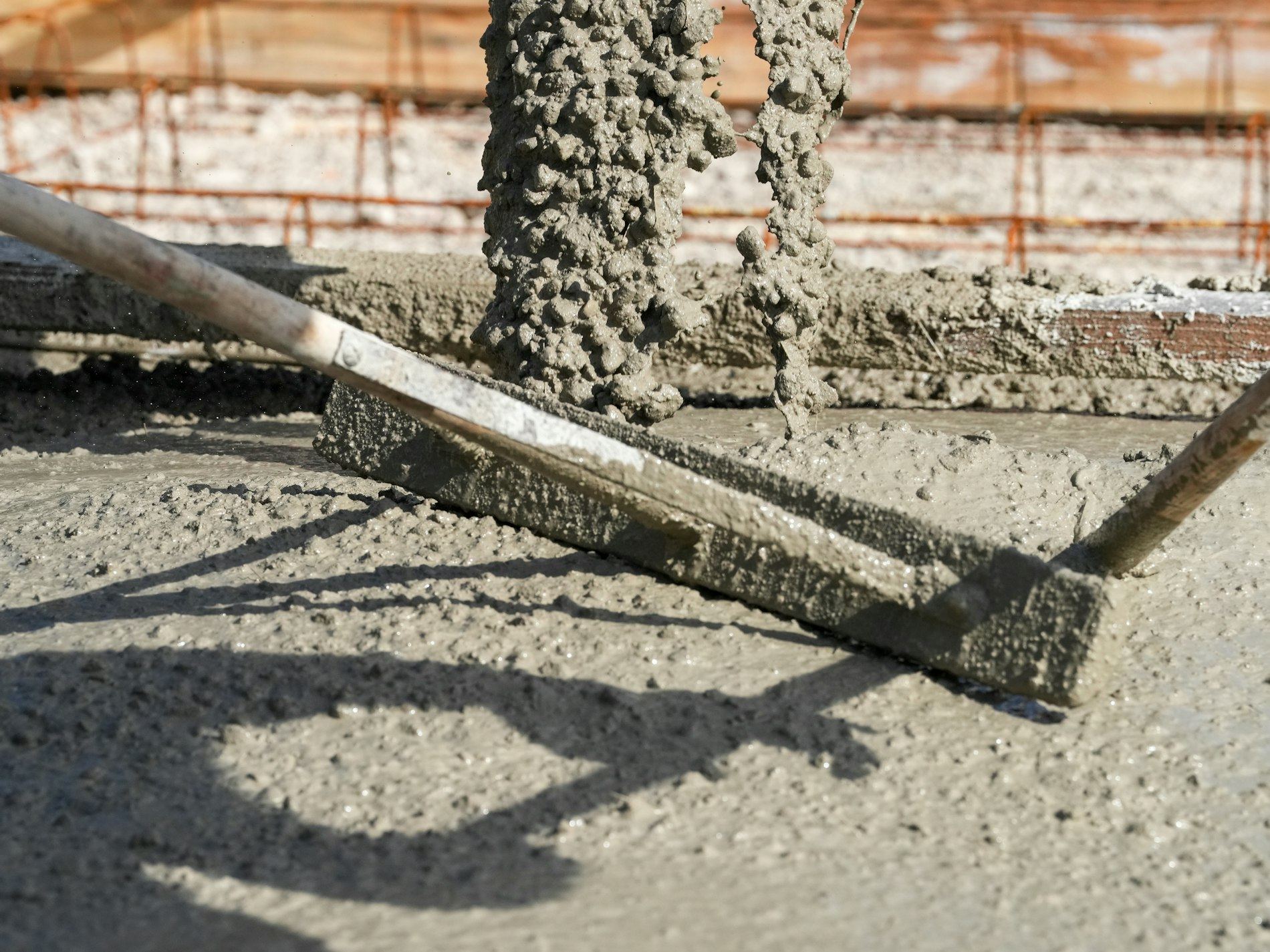
Chips near racking uprights
Small craters around rack legs mean point loads are crushing through the resin. Thicker screeds resist this better than thin coats.
- 3
Cracks following slab joints
Lines mirroring the concrete joints below show the resin is too thin to bridge natural slab movement without splitting.

- 4
Dust appearing on the surface
Fine powder rising through the finish indicates the wearing coat has worn away completely, exposing the substrate to traffic again.
Thickness questions from Warrington units
These come up repeatedly when managers compare quotes for floors in Warrington, Lymm and Burtonwood.
- Forklifts on a 2mm floor
- Two millimetres handles standard counterbalance trucks on a sound slab. Heavier loads or tight turns need 3mm or more.
- Coating versus screed choice
- Coatings seal surfaces. Screeds add depth and strength. Choose a screed when traffic includes heavy vehicles or dropped loads.
- Why quotes differ on depth
- Slab condition, moisture levels and traffic assumptions all change the specified depth. Ask each firm to state their reasoning.
- Thicker floors and cure times
- Extra depth usually adds cure time. Fast-curing resins exist but cost more. Plan production stops around the chosen system.
- Impact zones in goods-in areas
- Six millimetres is the usual minimum where pallets drop. Aggregate-filled screeds absorb the shock better than smooth resin.
- Checking a quoted thickness
- Request the product data sheet. Add the listed dry film thickness of each coat to find the true total build-up.
Tell us what crosses your floor
Describe your traffic, your slab and your deadlines. A specialist firm will read the details and reply with a thickness recommendation. There is no charge and no commitment to proceed.
- No obligation
- Floor assessment
- Local specialists