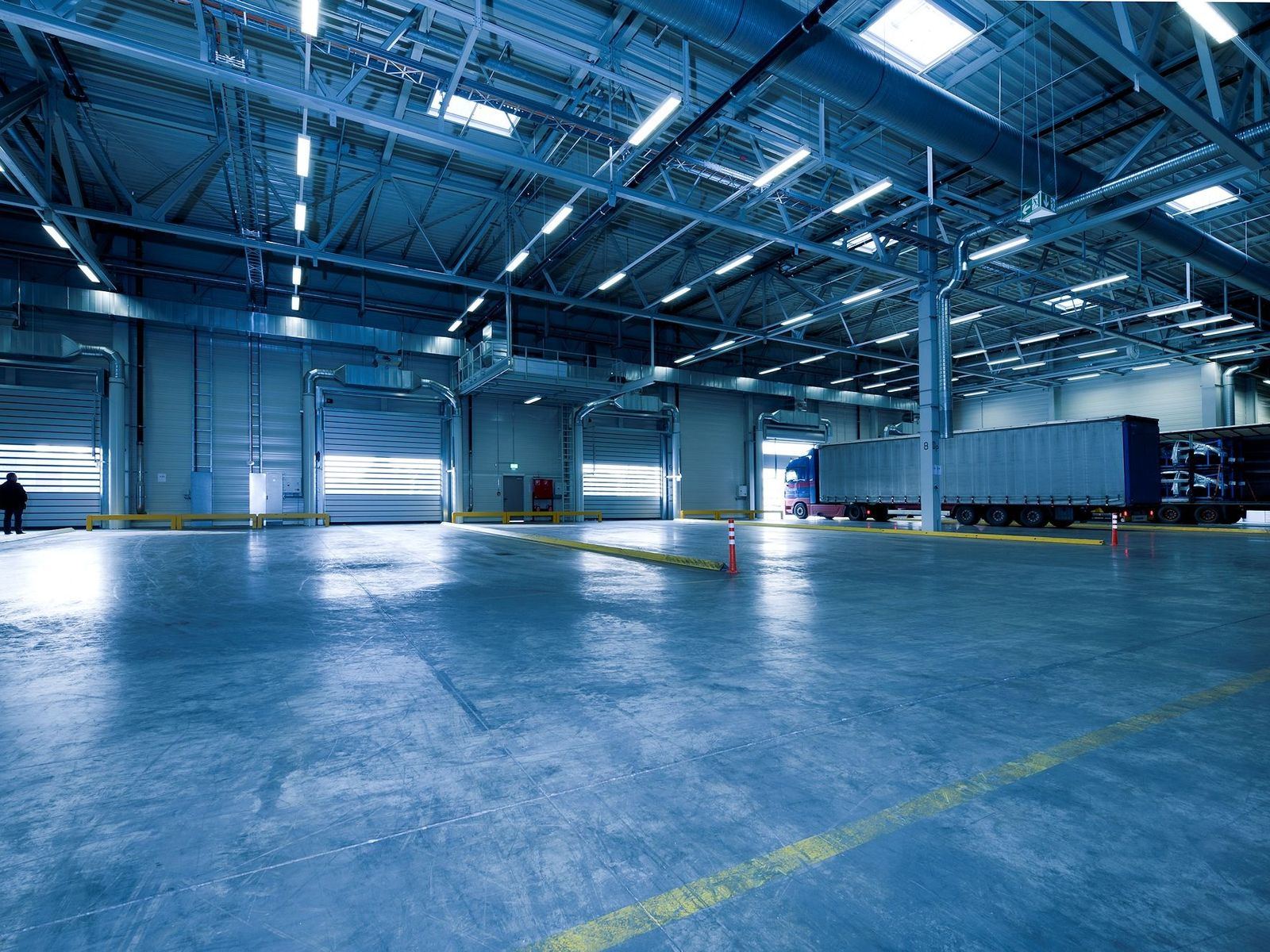
Warrington units
Anti static resin flooring in Warrington: ESD floors
Send an enquiry about static control for your unit. A specialist firm will read the details and respond with advice on earthing and build-up. There is no charge for asking.
Why some Warrington units need anti static floors
Static electricity builds up wherever people walk across a standard resin surface or where trolleys roll over concrete. In most warehouses this is a nuisance at worst. But in units handling electronics, solvents, fine powders or sensitive instruments, a sudden discharge can destroy components or ignite vapours.
An electrostatic discharge floor, known as an ESD floor, prevents that charge from accumulating. Instead of sitting on the surface, any static generated by foot traffic or machinery passes through the coating and into the ground. The floor acts as a controlled path to earth rather than an insulator.
Units across Warrington that assemble circuit boards, store flammable liquids or run clean rooms specify these coatings because standard epoxy does not conduct. A regular <a href="/coatings/epoxy-resin-flooring-warrington">epoxy resin floor</a> traps the charge. An ESD system moves it safely away before it reaches a threshold where damage occurs. The choice between the two depends entirely on what happens inside the building.
How an ESD resin floor is earthed
A conductive coating alone does not protect anything. It must be tied into the building's earth network so the charge has somewhere to go. Without that connection, the static simply sits in the floor.
The specialist firm lays copper tape in a grid pattern across the prepared concrete. This tape links back to designated earthing points, which are then bonded to the main electrical earth of the unit. The spacing of the grid matters. Too wide and areas of the floor remain isolated; too close and the installation costs more than necessary without adding protection.
Once the earthing grid is tested and confirmed, the conductive primer goes down over the tape. Every subsequent layer of resin maintains that conductivity right through to the wear surface. After curing, the specialist measures the resistance from multiple points on the floor to the earth point. Those readings confirm whether the system meets the required standard for the specific environment.
Building up the layers of an anti static floor
The build-up starts with the concrete substrate. Any laitance, old paint or contamination must be removed first. The specialist firm typically uses diamond grinding or shot blasting to open the pores of the slab, following the same principles used when <a href="/before-the-pour/preparing-a-concrete-floor">preparing a concrete floor for resin</a>.
A conductive primer follows. This differs chemically from a standard primer because it contains additives that allow current to pass through it. On top of that primer, the specialist applies the body coat. Depending on the expected traffic, this might be a thin film or a thicker build incorporating graded aggregates.
The final seal coat provides the colour and the wear resistance. Even though it looks like a normal resin finish, it remains electrically conductive throughout its thickness. The total <a href="/before-the-pour/resin-floor-thickness-warrington">resin floor thickness</a> usually falls between two and four millimetres for light to medium duty, but heavier plant traffic demands a thicker specification. Each layer must cure fully before the next goes down.
Where ESD flooring fits alongside other coatings
Not every area of a unit needs static control. A facility might require an ESD floor in the assembly bay but only a standard coating in the dispatch area. The specialist firm can lay different systems side by side, transitioning cleanly between them.
In zones where spills happen, the ESD system can incorporate aggregate for grip, performing the same role as a dedicated <a href="/coatings/anti-slip-floor-coating-warrington">anti slip floor coating</a>. Where racking layouts define the space, <a href="/coatings/floor-line-marking-warrington">line marking</a> can be applied over the cured ESD surface using compatible paints that do not insulate the floor beneath them.
If moisture is present in the slab, the specialist addresses that first. Applying a conductive resin over damp concrete risks adhesion failure, just as it would with any other system. Checking for rising damp and installing a suitable barrier ensures the ESD floor bonds properly and performs as intended over time.
Looking after an anti static floor in daily use
Maintenance keeps the floor conductive. Dirt, wax and certain cleaning chemicals form an insulating film on the surface. Once that film builds up, the static can no longer reach the conductive layers below, and the floor stops working as an ESD system.
The specialist firm advises on which detergents are safe. Generally, pH-neutral cleaners work without leaving a residue. Wax-based polishes must never be used. Mopping should remove soil rather than spread it into a thin film.
Periodic testing confirms the floor still meets specification. The specialist takes resistance readings at set intervals to verify the path to earth remains intact. If a section shows higher resistance than it should, the cause is usually surface contamination or physical damage. Small chips or worn patches can be addressed through targeted <a href="/coatings/resin-floor-repairs-warrington">resin floor repairs</a>, restoring both the surface and the conductivity without relaying the entire floor.
Ask about an ESD floor for your unit
Send the details of your space and what you need the floor to handle. A specialist firm will review the information and reply with advice on build-up and earthing. Nothing commits you to a job.
- No obligation
- Free to ask
- Specialist response